BAPE: the invisible merch
The invisible merch. How A Bathing Ape’s collaborations with rappers shaped streetwear.
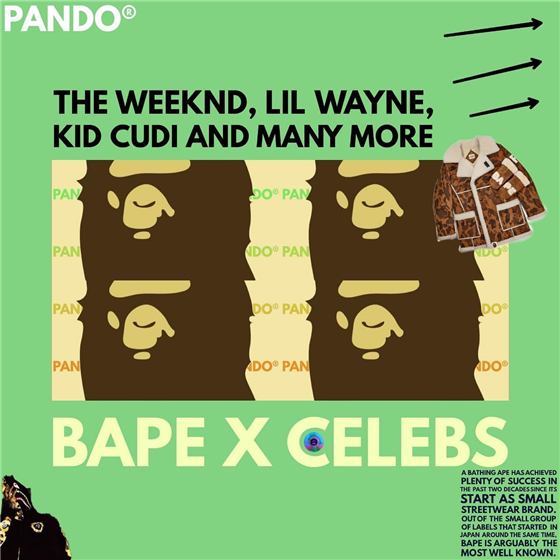
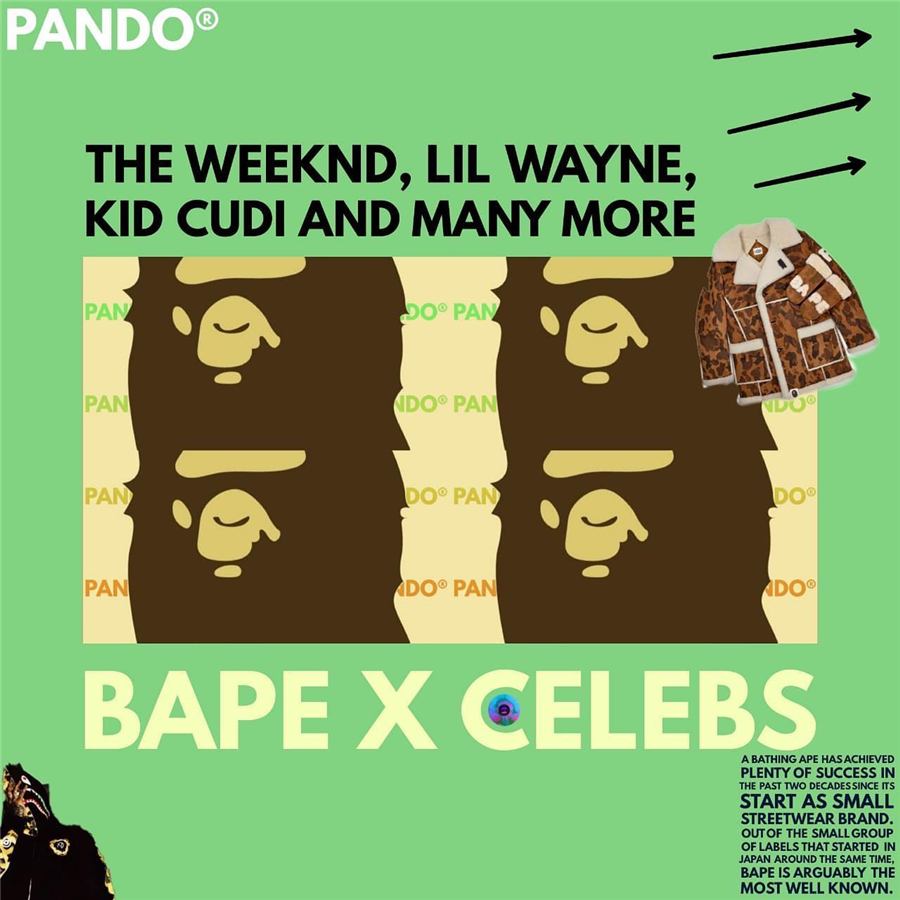
The Invisible Merch. A big part of A Bathing Ape’s story is the musicians who wear it, and our five slides show just how close that relationship has been.
Why BAPE matters
Nigo started A Bathing Ape in Tokyo in 1993. He’d studied at Bunka Fashion College and worked for Popeye magazine. On 1 April that year, he and Jun Takahashi of Undercover opened a tiny shop called Nowhere in Ura-Harajuku, the back streets where Japanese streetwear was being invented.
The name comes from the 1968 film Planet of the Apes, and the ape head became its calling card. The graphic artist Sk8thing then put it into a camouflage pattern, which is funny if you think about it: camo designed to make sure everyone notices you. Early pieces were extremely limited and extremely expensive. You had to know, and you had to be there.
How it crossed over
Through a mutual friend, Jacob the Jeweler, Nigo met Pharrell Williams, and it changed everything. According to Grailed’s history of the brand, Pharrell helped make BAPE relevant again just as it was fading in Japan, and Nigo turned up in the video for “Frontin’”. The two later worked together on Billionaire Boys Club and Ice Cream. In 2002 came the Bapesta, an unmistakable homage to the Air Force 1 with patent-leather uppers in loud pastels, and some of them came sealed in blister packs like action figures.
Then there’s the shark hoodie, with a zip that runs all the way over the face. It borrowed from the A-2 Warthog fighter jet, the same imagery that inspired the Jordan V, and for a certain kind of 2000s rap fan, it was the only thing worth owning.
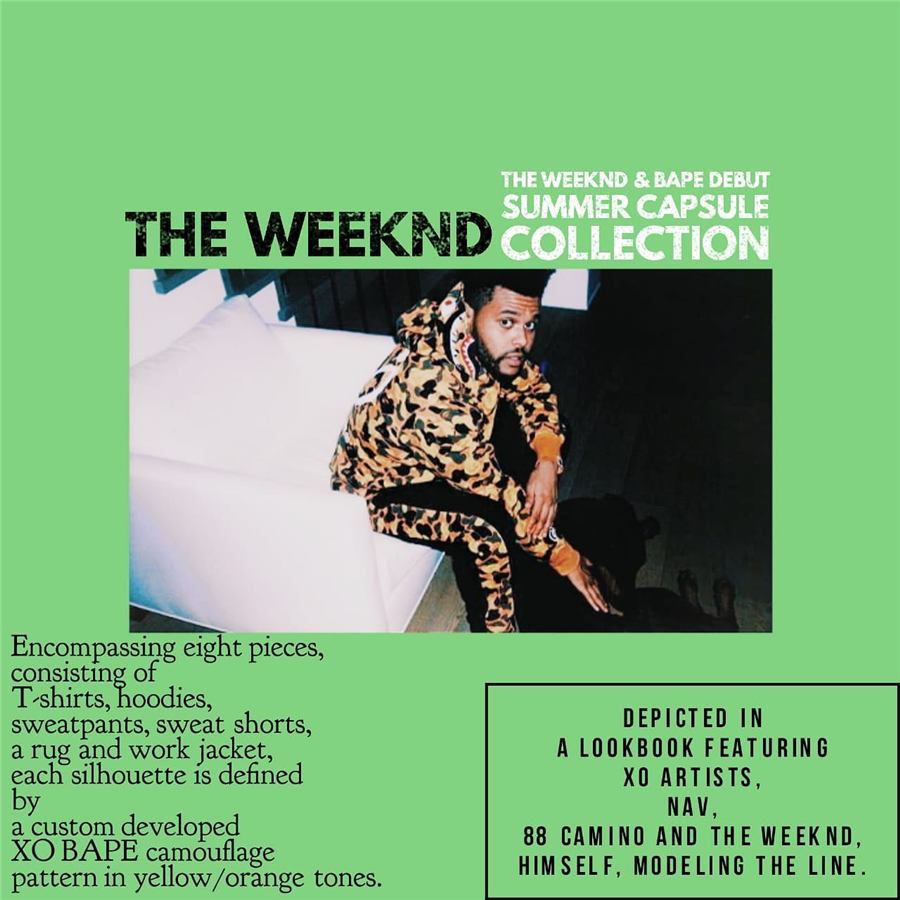
XO
The Weeknd’s XO brand linked up with BAPE on a capsule collection, mixing its dark style with BAPE’s famous camo.
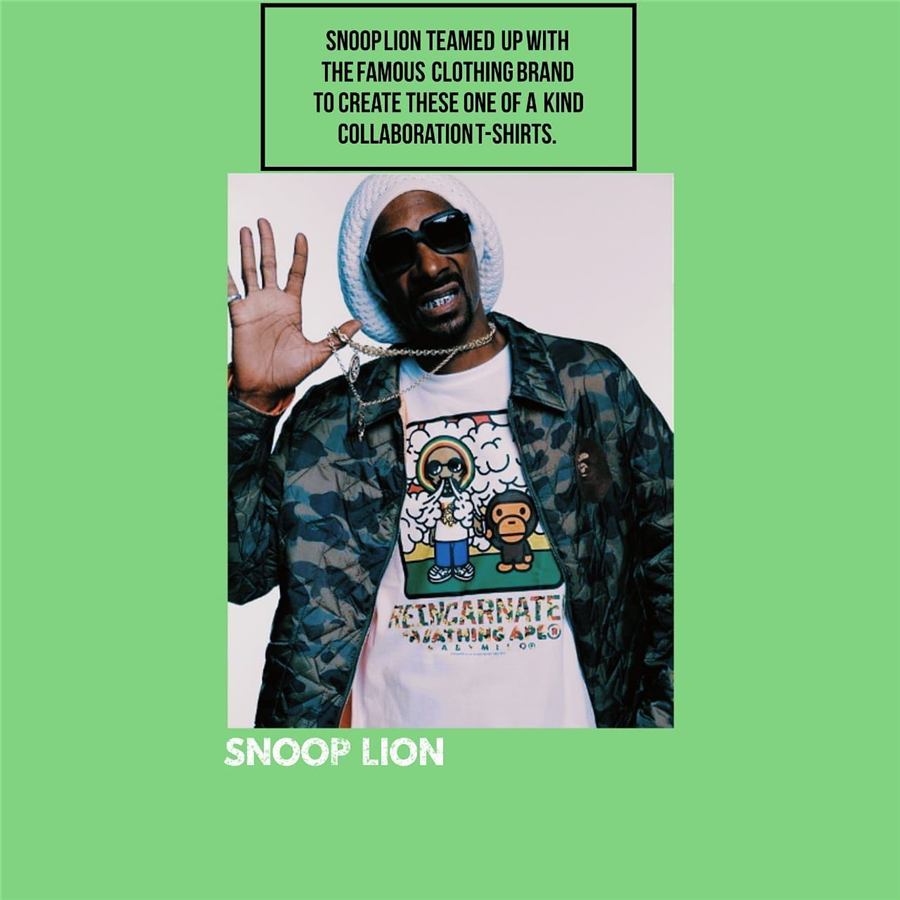
Snoop Lion
During his Snoop Lion era, Snoop Dogg teamed up with the brand too, in a colourful reggae-influenced collection.
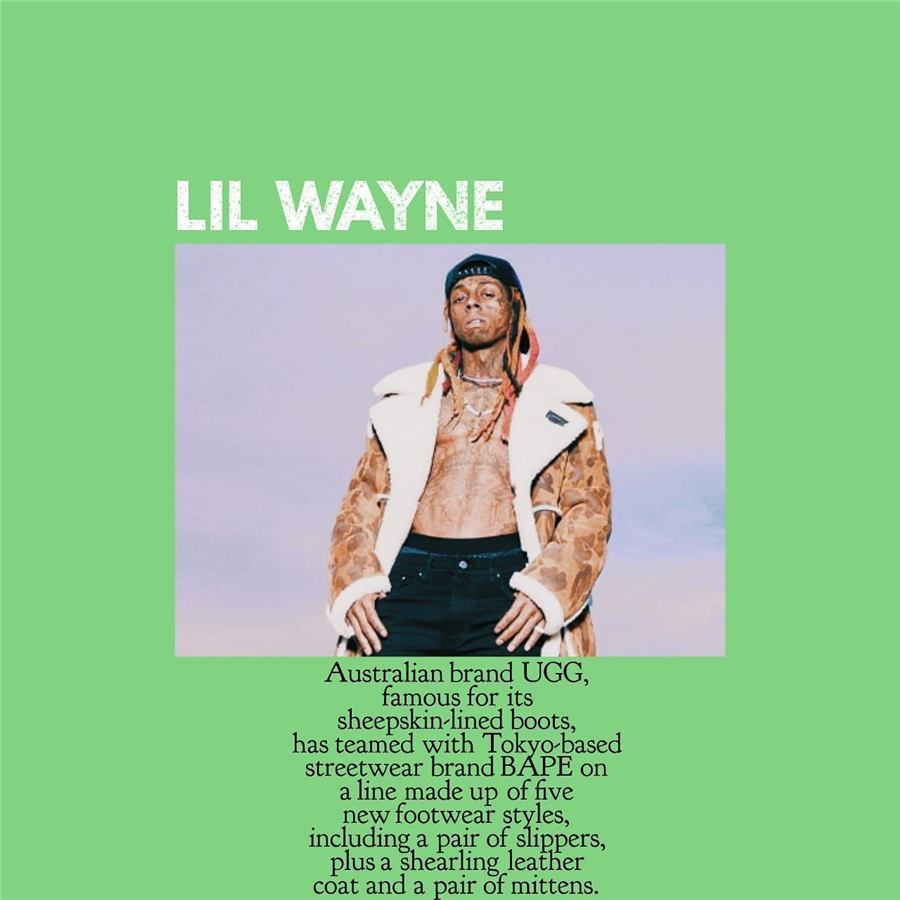
Lil Wayne
Weezy has shown up in the brand’s sheepskin line, proof of how comfortable it had become in American rap.
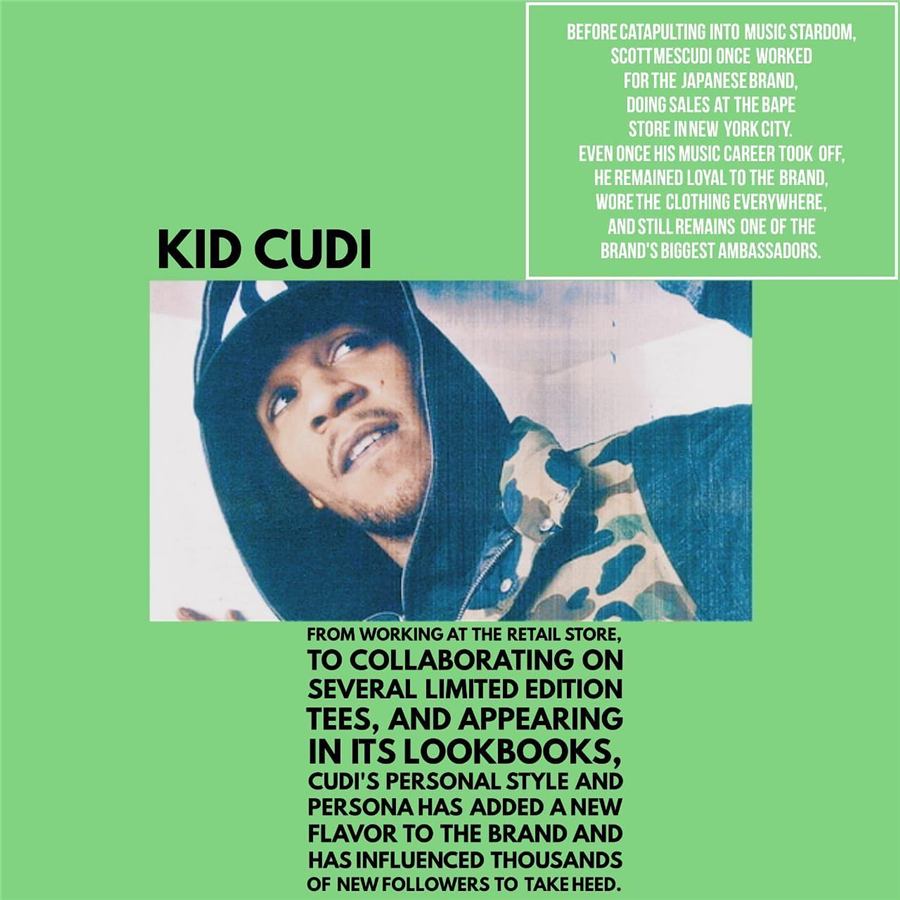
Kid Cudi
Kid Cudi has a very special history here. Before he became famous, he worked at the BAPE store in New York, and he later appeared in the brand’s lookbooks. Few people have gone from folding a brand’s hoodies to being its campaign.
The fall, and the second life
Scarcity is hard to keep up once everyone wants in. Nigo added stockists, expanded production and did deals with the likes of Pepsi, and the thing that made BAPE special started to wear thin. By 2009 its fortunes were fading fast, and the Wall Street Journal reported it had lost 110 million yen by 2010.
In February 2011, the Hong Kong group I.T bought a 90.27% stake for about $2.8 million, a stunning price for something so influential, though it also took on the parent company’s debts. Nigo left in 2013. The brand kept going, with collaborations from Coca-Cola to Rimowa, while Nigo has since gone on to become artistic director at Kenzo.
Without Nowhere, there might not be queues for drops, or the idea that a T-shirt can be scarce. Everybody who’s ever refreshed a Supreme page owes something to a tiny shop in the back streets of Harajuku.
Do you have a shark hoodie? Be honest, and tell us if it’s real.
Sources