The dark side of fast fashion
There’s more to this industry than we can ever expect. Fashion Nova, Zara, Forever 21, #PayUp, and why to stop investing.
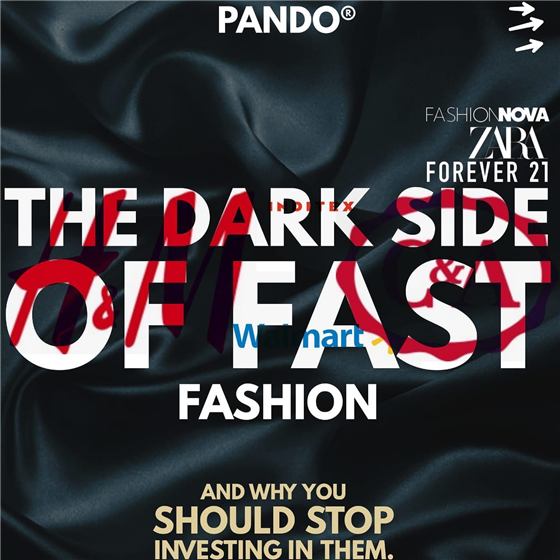
There’s more to this industry than we can ever expect. This post looks at the dark side of fast fashion, and why we think people should stop investing in it.
What is fast fashion?
Brands such as Fashion Nova, Zara and Forever 21 turn runway ideas into cheap clothes in a matter of weeks. It’s convenient, but the low price has to come from somewhere, and usually it comes from wages, working conditions and the environment.
The habit is the real product. UN figures from 2022 say the average person buys 60 per cent more clothing than 15 years earlier, and keeps each item for half as long. When a T-shirt costs less than lunch, nobody asks who sewed it.
The day Rana Plaza fell
If you’re from here, you don’t need this explained, but it should never go unsaid. On 23 April 2013, large cracks appeared in Rana Plaza, an eight-storey building in Savar. The shops and the bank on the lower floors closed. The garment factories upstairs did not, and workers were told to come back. At one factory, managers reportedly threatened to withhold a month’s pay from anyone who refused.
The next morning, at around 9am, the building collapsed. It killed 1,134 people and about 2,500 were rescued injured. The factories inside made clothes for international brands. The cracks had been on television the night before.
Change did follow. The Accord on Fire and Building Safety, a legally binding agreement between brands and trade unions, began that year. A fund backed by the International Labour Organization paid compensation, which one labour rights group says was only completed in 2015, and some families couldn’t document their claims. Eight years after the collapse, the murder trial still hadn’t finished.
#PayUp
Seven years on, the same workers took the hit again. When the pandemic arrived in 2020, big clothing brands around the world cancelled orders or refused to pay for clothes already in production. By that spring, the BGMEA put cancelled Bangladeshi orders at $1.4 billion, with another $1.8 billion on hold.
A survey of 319 factory owners by Penn State’s Center for Global Workers’ Rights found that more than half had seen most of their in-process or finished orders cancelled, and that over a million workers here had been fired or furloughed. Remake, a nonprofit, led the #PayUp campaign, calling on brands to honour their contracts. Some agreed, and the Penn State researcher Mark Anner’s work and the campaigning that followed have been credited with helping recover around $22 billion worldwide. Many workers still lost out.
Why this matters here
The garment sector is Bangladesh’s biggest export earner and employs millions, a majority of them women. When we talk about cheap clothes, we’re usually talking about these people.
In November 2023, after protests, the government raised the sector’s minimum wage by 56 per cent to 12,500 taka a month, about $113. It was the first rise since 2018. Unions had asked for 23,000 taka and said it wasn’t enough. At least four workers died during the unrest, including three shot by police.
None of that means you should stop buying clothes made in Bangladesh. These jobs matter to millions of families, and a boycott would hurt the wrong people first. The fairer question is whether the brands making the profit pay enough for the work.
The bill the planet pays
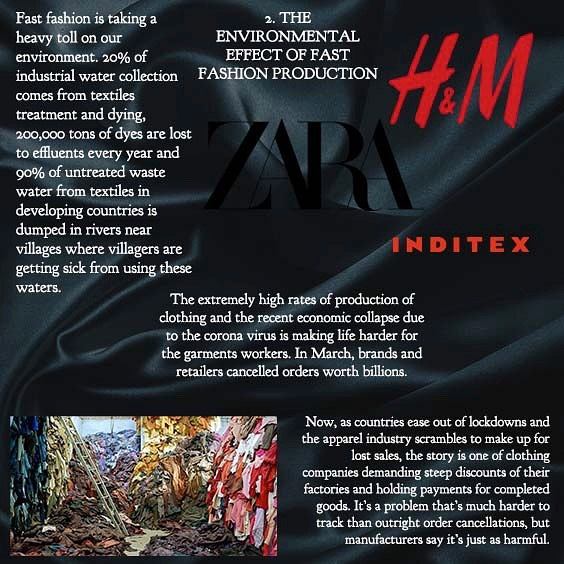
There’s a second cost. Those same UN figures say the textile industry causes between 2 and 8 per cent of global carbon emissions. And clothes kept for half as long reach the bin that much sooner.
What you can actually do
Buy less, and wear it for longer. Repair things. Ask brands who made their clothes, and whether they paid for their cancelled orders. Fashion’s real cost rarely appears on the price tag, so it’s up to us to go looking for it.
Next time you shop, it’s worth asking who made your clothes, and whether they got paid.
Sources
- 2013 Savar building collapse, Wikipedia
- The unseen victims of order cancellations, FashionUnited
- Abandoned? The impact of Covid-19 on garment workers, FashionUnited
- Mark Anner on workers’ rights, WPSU
- The Power of #PayUp, Atmos
- Bangladesh sets minimum wage at Tk12,500, Just Style
- Sweatshops: textile industry’s dark side, Malay Mail