The world’s greenest factories are here
Bangladesh has 290 LEED-certified garment factories and 53 of the world’s top 100. What does that buy us?
Ask someone abroad what they know about Bangladeshi factories and you will rarely hear the word “green”. The numbers say it should come up more.
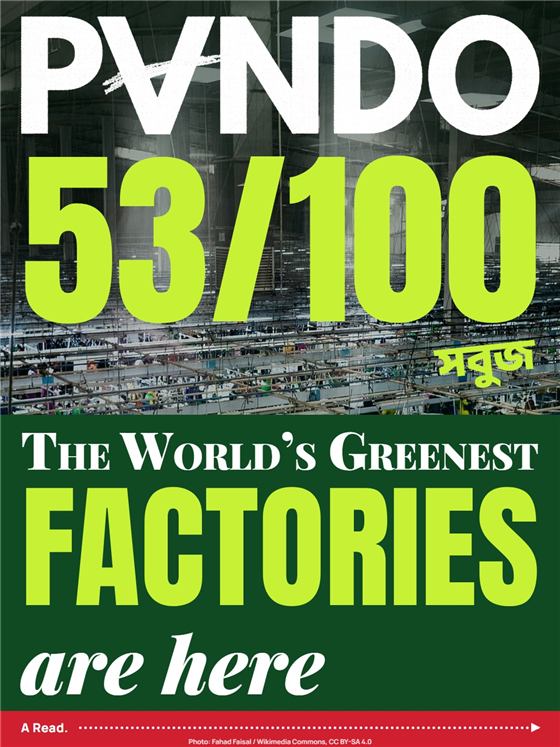
By July 2026 Bangladesh had 290 LEED-certified garment factories, according to figures reported by the Dhaka Tribune. Of those, 125 were rated Platinum and 145 Gold. And of the 100 highest-scoring LEED-certified factories in the world, 53 are in Bangladesh.
The count keeps climbing. Press reports put it at 273 at the end of January, 284 in early May and 290 by mid-July. Mohiuddin Rubel, founder and CEO of Bangladesh Apparel Voice, told the paper the figures “prove that Bangladesh is leading the world in sustainable and green manufacturing”.
What the rating measures
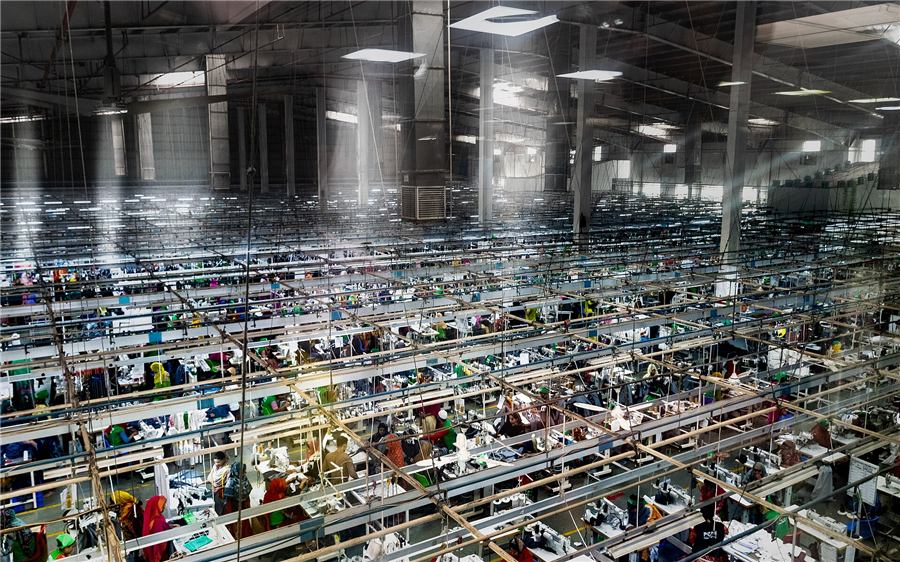
LEED is a rating system for buildings, run by the US Green Building Council. It looks at things like energy, water and materials, and the top levels are hard to reach. A Platinum rating tells a buyer that the building itself was designed and run to a demanding standard. It is one of the few ways a factory can prove that from the other side of the world.
290 LEED-certified factories. 53 of the world’s top 100. All in Bangladesh. The factories have changed faster than the image of them has.
That connects to something we wrote about in Representing Bangladesh in the global market: certifications and buyer trust are how Bangladeshi companies compete, alongside volume.
What it doesn’t
LEED does not measure wages, or what a shirt sells for. A green building and a good deal for the people working inside it are separate questions, and the first does not answer the second.
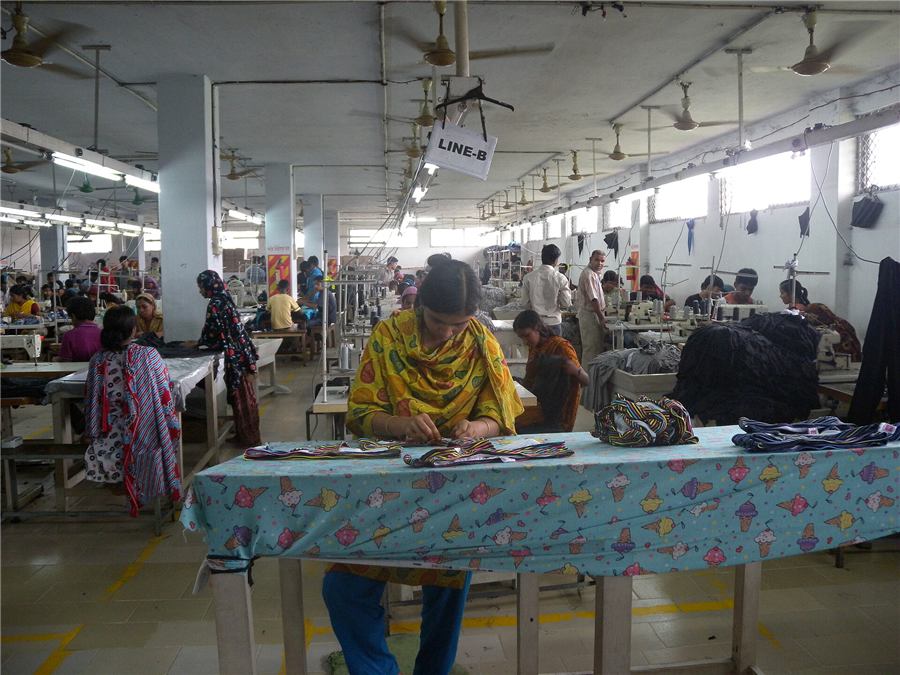
The image hasn’t caught up
This is a story about reputation as much as engineering. The factories have changed faster than the picture most people carry of them.
Would you pay more for a shirt from a Platinum-rated factory in Bangladesh? Tell us on Instagram.