The last hand-painted rickshaws
Dhaka’s rickshaw art is on a UNESCO list and off most rickshaws. A look at the moving gallery we all sit in traffic behind.
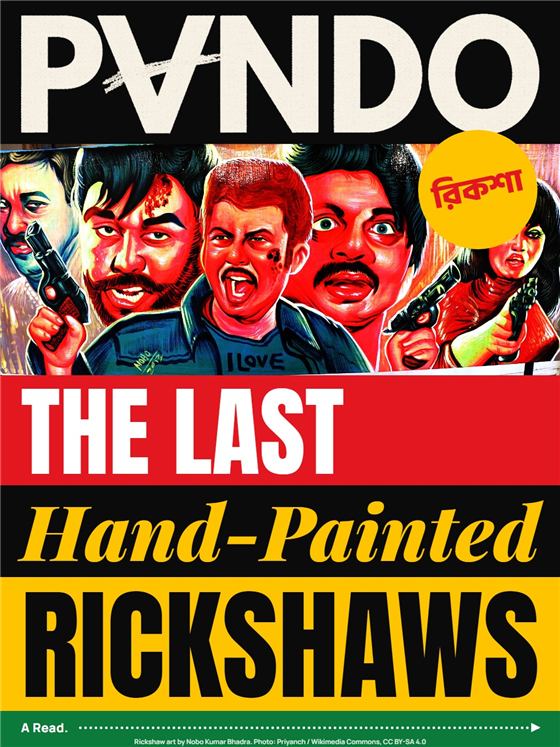
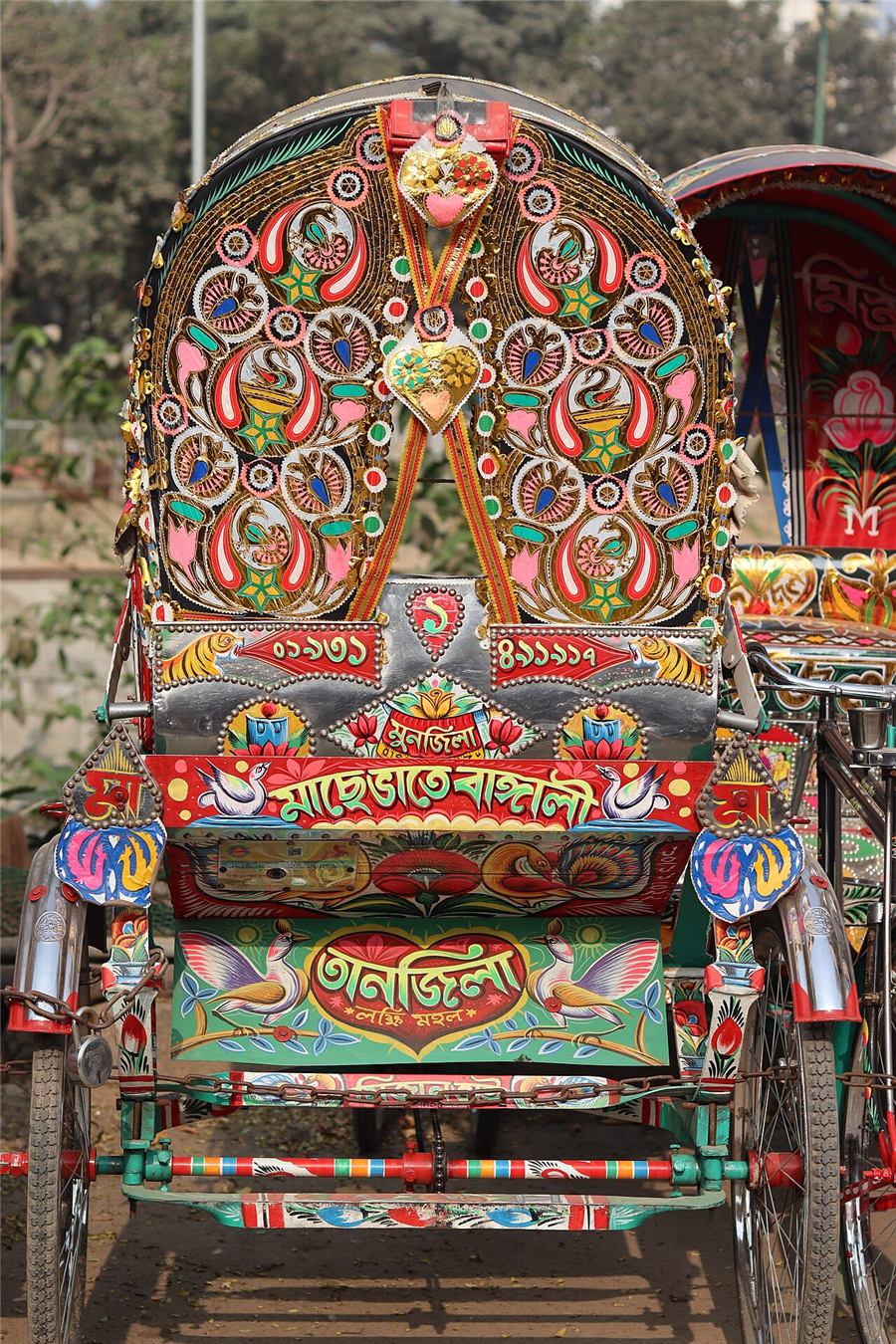
You have probably spent more time looking at rickshaw art than at any painting in any gallery. You just did it from behind, in traffic.
Almost every part of a Dhaka rickshaw is an invitation to look. UNESCO’s description lists flowers, birds and animals, scenes from history, folk tales, national heroes and film stars, finished with tassels, artificial flowers and tinsel. Because rickshaws move slowly, it calls the whole thing a “roving exhibition”. Anyone who has been stuck on a Dhaka road will agree with the slow part.
When the cinema came to the street
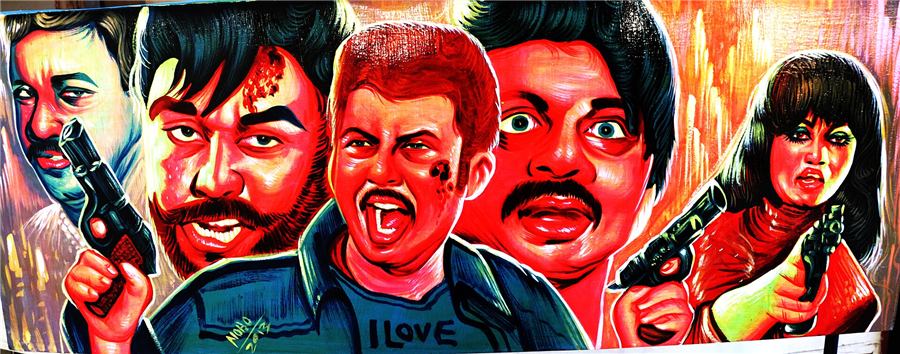
Painted rickshaws appeared in Dhaka around the late 1950s and early 1960s. Art critic Moinuddin Khaled told Arab News the art peaked in the 1960s, driven by the growth of the local film industry. Portraits of the city’s screen heroes and heroines took over the back panels, and the rickshaw became a poster for films that were showing down the road.
That link between cinema and the street runs through the career of Mohammad Hanif Pappu. He began painting about five decades ago, learning from his maternal uncle, and painted movie posters until the early 2000s. Then he moved to rickshaws and went on to train dozens of other painters.
Recognised, and running out of painters
In December 2023, at a session in Kasane, Botswana, UNESCO added “Rickshaws and rickshaw painting in Dhaka” to its Representative List of the Intangible Cultural Heritage of Humanity. It was Bangladesh’s fifth entry, following Baul songs, Jamdani weaving, Mangal Shobhajatra and Shital Pati weaving. Tangail sari weaving became the sixth in 2025.
The recognition arrived late. Digital printing took over in the early 2000s, and Pappu says many painters were forced to change careers. His own estimate, given to Arab News in 2024, was that at most 30 or 40 rickshaw painters still ran shops in the city.
What survives depends on a very small circle. According to UNESCO, the craftsmen who build rickshaws learn by hand in workshops, and painters usually pass their knowledge on to their children and close relatives. A skill passed down like that can disappear in a single generation if the work dries up.
Look up from your phone
So look at the next rickshaw in front of you. Is it painted, or printed? A printed panel is crisp and perfectly even. A painted one has brush marks, and someone’s name might be on it.
If it’s painted, take a photo and send it to @pando.dac. We’ll share the best ones.