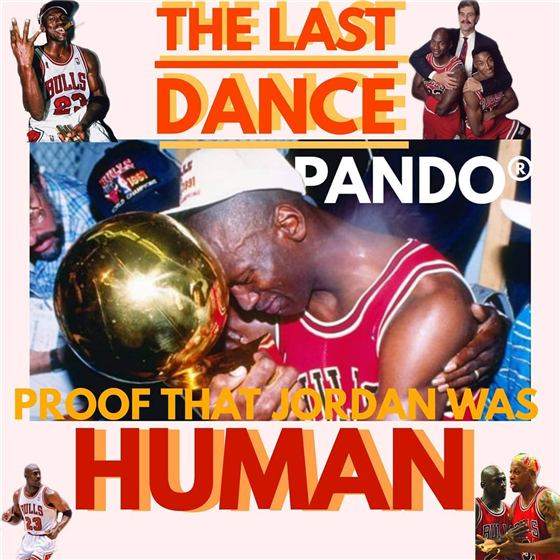
The Last Dance: proof that Jordan was human
The greatest of all time at his all-time best. The documentary that showed the man behind the myth.
The greatest of all time at his all-time best. In spring 2020, with live sport cancelled, the whole world sat down to watch a documentary about the 1997-98 Chicago Bulls.
The footage nobody was allowed to see
Here’s the thing most people didn’t realise: this film was more than 20 years in the making. An NBA Entertainment crew was given all-access to the Bulls for that final championship season, and shot over 500 hours of footage in locker rooms, on planes and at practice. According to NBA commissioner Adam Silver, Jordan agreed on one condition: none of it could be used without his direct permission.
So it sat in a vault, for nearly two decades. Many people asked, and many were turned down. It wasn’t until 2016 that he said yes to a proposal from the producer Mike Tollin. The director Jason Hehir then had the job of going through thousands of hours of archive, adding interviews with around 100 people, and turning it all into about eight and a half hours of television.
The Last Dance
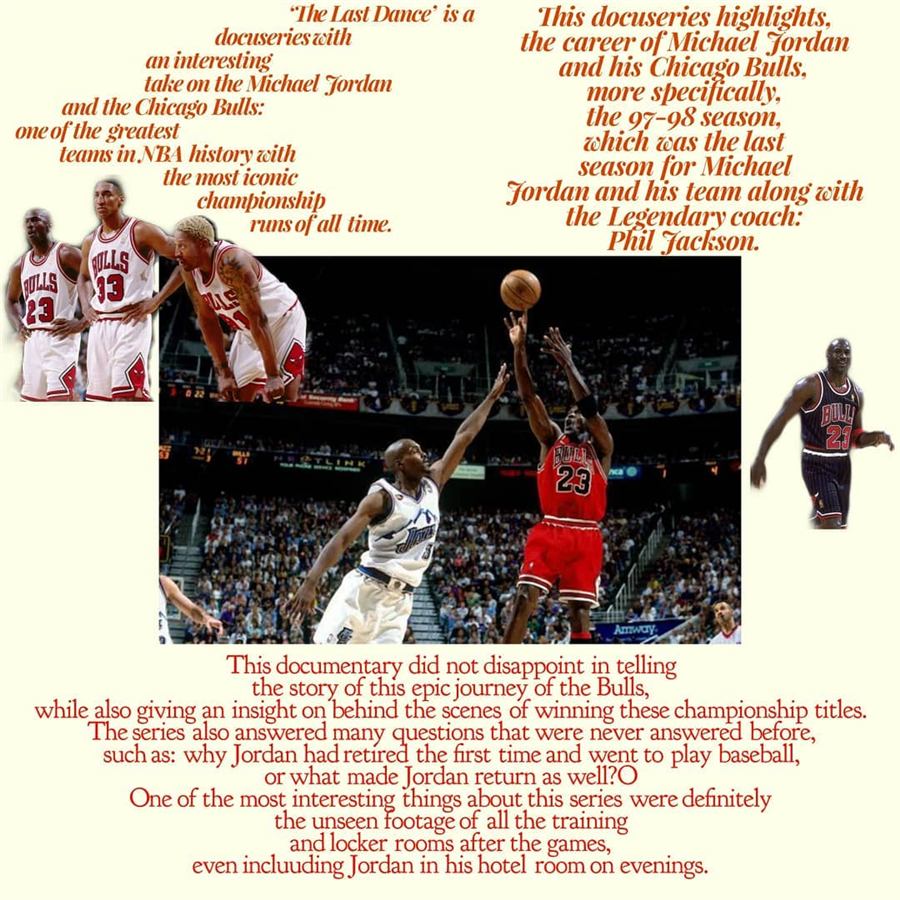
ESPN and Netflix released this 10-part series across April and May 2020. It was meant to come out in June, but ESPN moved it up because of the pandemic, saying it had heard the calls from fans. Built around that footage, the series looks at Michael Jordan’s rise, and the collapse of the Bulls’ dynasty. It became the most-watched documentary in ESPN’s history, with the first episode alone pulling in 5.73 million viewers in the US, and later won the Emmy for Outstanding Documentary or Nonfiction Series.
The man
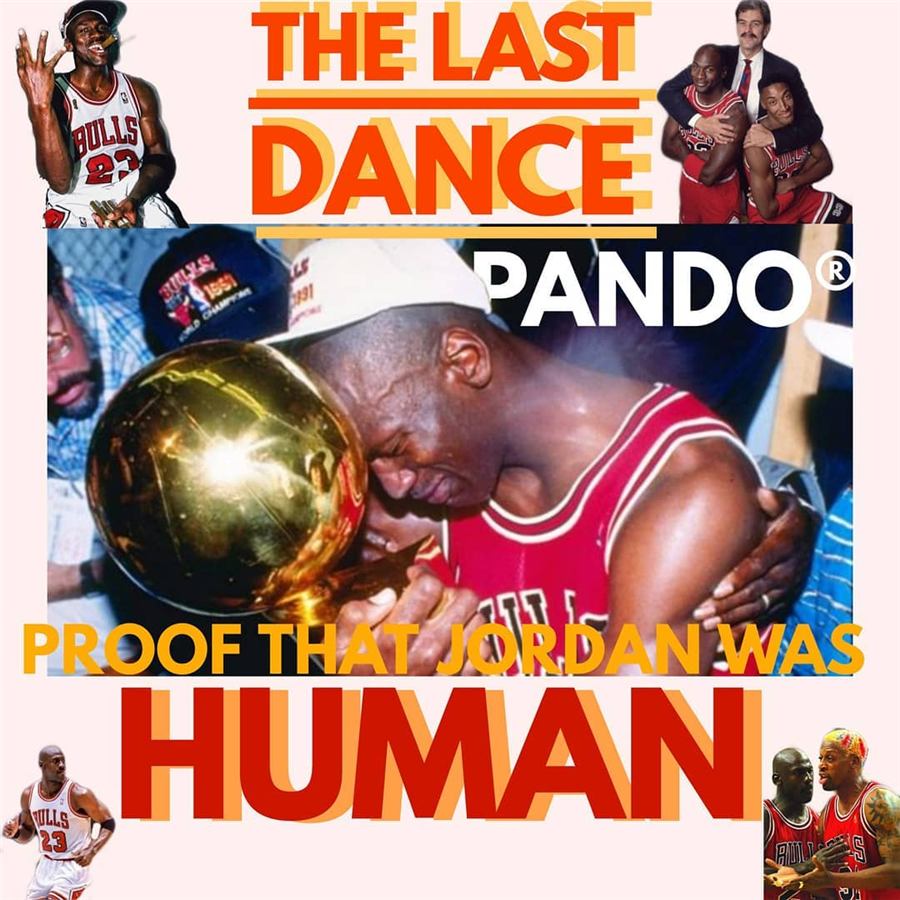
Our cover’s point is that it made him human. We saw how far he went to win, including how harshly he treated his teammates. He admits to it himself, and he even breaks down during the interview. It’s a moment that’s hard to forget. “Winning has a price,” he explains.
Why it hit so hard
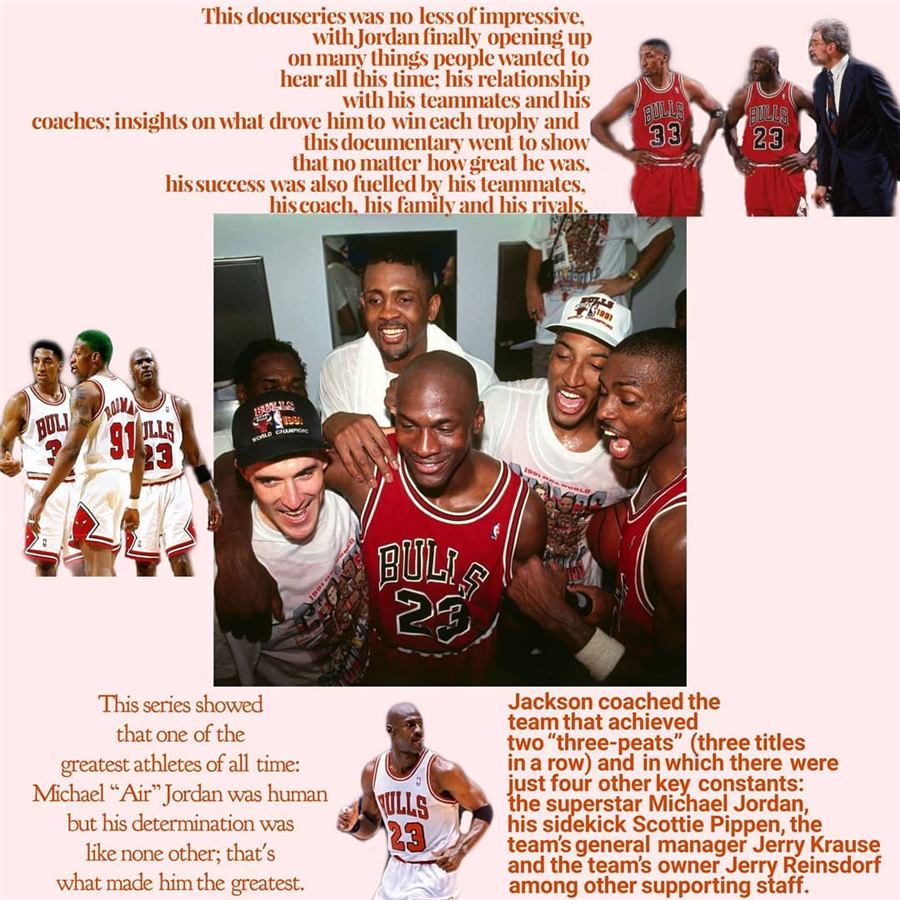
Young fans had only ever heard the stories. Now they could see it for themselves, along with Scottie Pippen, Dennis Rodman and Phil Jackson. And there was no live sport to compete with. Add in the memes of Jordan laughing with a drink in hand, and you’ve got the show of the lockdown.
Whose story was it?
Here’s where it gets more complicated, because it was Jordan’s version of events. His production company was credited as a partner, and the filmmaker Ken Burns criticised that involvement. Hehir answered that Jordan stayed at a distance and did not influence the edit.
Not everyone in the story was happy. Pippen was reportedly “wounded and disappointed” by how he was shown, and his 2021 book Unguarded was sharply critical of Jordan. Horace Grant said the series was edited to favour Jordan. Others came to the defence of the general manager Jerry Krause, who died in 2017 and so never got to give his side, despite being one of the show’s main villains.
None of that makes it less brilliant. It just means it’s worth watching the way you’d read an autobiography: a remarkable account, told by the person with the most to gain from it. Maybe that’s the most human thing about it.
Did it change how you think about him?
Sources
- The Last Dance (miniseries), Wikipedia
- Jason Hehir interview, SlashFilm
- Inside the making of The Last Dance, Bleacher Report